May 19, 2026
When your truck is your livelihood, small issues rarely stay small for long. What might feel like something you can push off until Monday can quickly turn into a breakdown that costs you time, money, and missed opportunities. Diesel engines are built for durability, but they still rely on consistent maintenance and quick responses when something feels off. Ignoring early warning signs often leads to bigger repairs, longer downtime, and unnecessary stress.
This is where understanding the urgency behind diesel truck repair becomes essential. Knowing when to act immediately versus when something can wait is the difference between staying on the road and being stuck on the shoulder. The following signs are not just inconveniences—they are clear indicators that your diesel truck repair cannot wait until Monday.
1. Recognizing Unusual Engine Noises Early
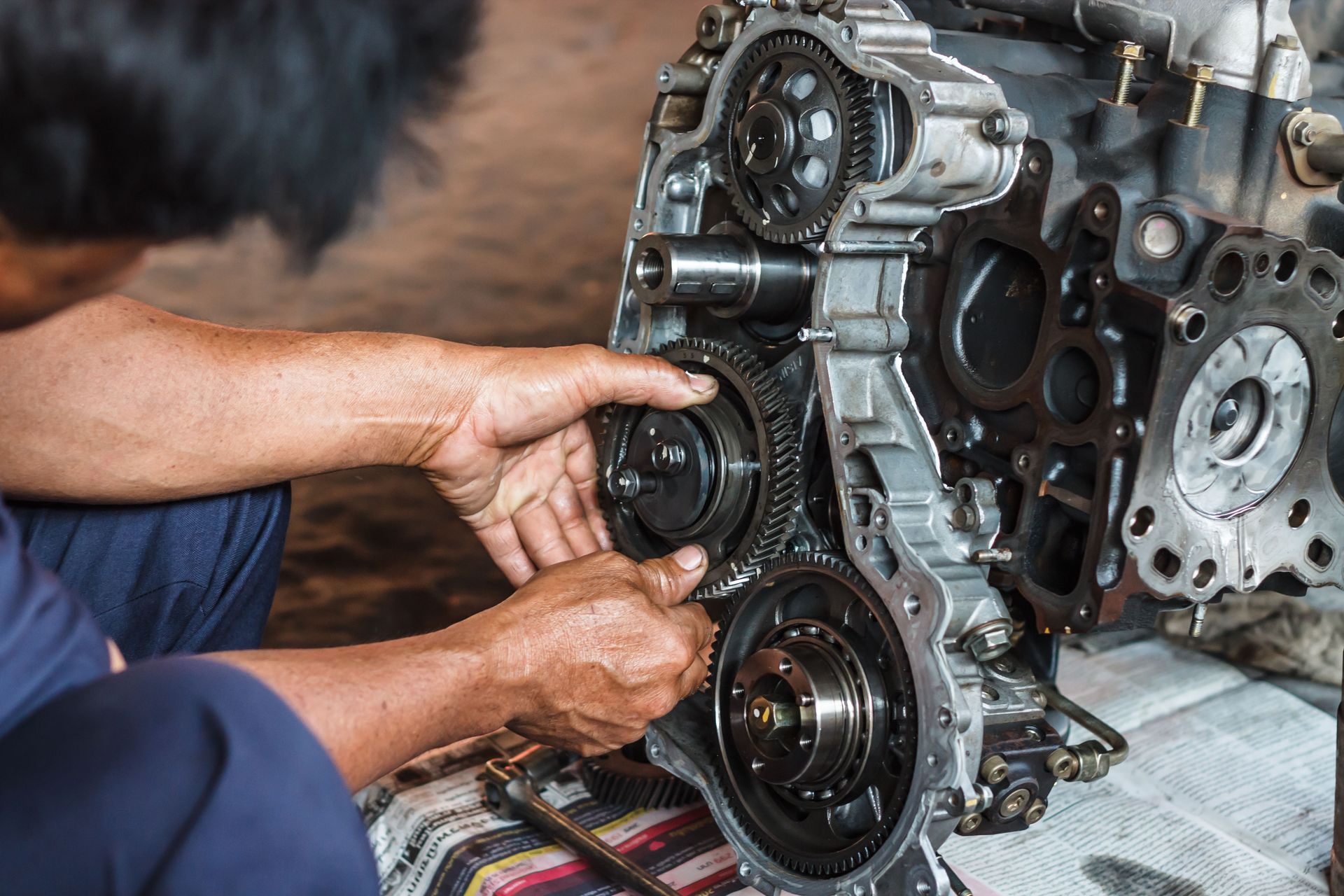
Engines rarely fail without warning, and unusual noises are often the first clue that something is going wrong. If you start hearing knocking, grinding, or high-pitched squealing, your truck is trying to tell you something. These sounds can point to worn bearings, failing belts, or internal engine damage that will only worsen with time.
It might be tempting to turn up the radio and hope it goes away, but that approach can lead to serious consequences. What starts as a minor issue can quickly escalate into a full engine failure if ignored. Acting quickly not only protects your engine but also reduces the overall cost of diesel truck repair.
Paying attention to how your truck sounds on a daily basis makes a big difference. When you know what “normal” sounds like, it becomes much easier to spot when something isn’t right. That awareness alone can save you from being sidelined unexpectedly.
2. Watching for Excessive Exhaust Smoke
Exhaust smoke is one of the most visible signs that your truck needs attention. If you notice thick black, blue, or white smoke coming from your exhaust, it’s a clear signal that something isn’t functioning properly. Each color points to a different issue, from fuel imbalance to oil burning or coolant leaks.
Ignoring smoke doesn’t make it go away—it usually makes the problem worse. For example, black smoke could mean your engine is burning too much fuel, which impacts performance and fuel efficiency. Blue smoke often signals oil entering the combustion chamber, which can lead to long-term engine damage.
Addressing these issues early keeps your truck running cleaner and more efficiently. It also helps you avoid more extensive diesel truck repair down the line. When your exhaust changes, it’s not just a visual issue—it’s a performance warning you shouldn’t overlook.
3. Noticing Loss of Power or Acceleration
A diesel truck should deliver consistent power, especially under load. If you notice hesitation when accelerating, difficulty climbing hills, or a general lack of responsiveness, something isn’t right. These issues often point to problems within the fuel system, turbocharger, or sensors.
What makes this warning sign particularly important is how quickly it can escalate. A minor drop in power today could turn into a complete loss of drivability tomorrow. And when your truck can’t perform, your schedule—and income—take the hit.
According to a 2025 benchmarking survey from the National Private Truck Council, reported by Heavy Duty Trucking, the average breakdown now takes about 20 hours to resolve—roughly a third longer than the previous year’s 15.8-hour average. That kind of downtime is costly, which is why addressing performance issues immediately is critical.
When your truck starts losing power, it’s not just an inconvenience. It’s a clear signal that diesel truck repair should be handled right away before you’re dealing with a much longer delay.
4. Identifying Fluid Leaks Before They Spread
Fluid leaks are one of those issues that are easy to ignore—until they’re not. A small puddle under your truck might not seem urgent, but it can quickly lead to serious mechanical problems. Whether it’s oil, coolant, transmission fluid, or brake fluid, each plays a critical role in keeping your truck running safely.
Oil leaks can lead to engine wear, coolant leaks can cause overheating, and brake fluid leaks can compromise your ability to stop safely. None of these are issues you want to deal with on the road. The longer a leak goes unaddressed, the more damage it can cause.
Getting ahead of leaks is one of the simplest ways to avoid major diesel truck repair. A quick inspection today can prevent a costly repair tomorrow. It’s always better to fix the source early rather than deal with the consequences later.
5. Responding to Overheating Immediately
Overheating is not something you can afford to ignore. If your temperature gauge starts climbing or you see steam coming from under the hood, it’s time to stop and assess the situation. Continuing to drive an overheating truck can lead to severe engine damage in a very short amount of time.
There are several possible causes, including low coolant levels, a failing radiator, or a malfunctioning thermostat. Regardless of the source, overheating is a sign that your engine is under stress and needs immediate attention. Waiting until Monday is rarely a safe option in this scenario.
The key is to act quickly and avoid pushing your engine beyond its limits. Addressing overheating early not only protects your engine but also minimizes downtime. Diesel truck repair in this situation is about preventing catastrophic failure, not just fixing a minor issue.
6. Addressing Braking Issues Without Delay
Your braking system is one of the most important safety components on your truck. If something feels off—whether it’s a soft brake pedal, unusual noises, or longer stopping distances—it needs to be addressed immediately. These are not issues that can wait.
Brake problems can stem from worn pads, air in the lines, or fluid leaks. Regardless of the cause, compromised braking puts you and everyone else on the road at risk. Even a small delay in stopping can lead to serious consequences.
Taking action right away ensures your truck remains safe and roadworthy. It also prevents more extensive damage to the braking system. Diesel truck repair in this case isn’t just about maintenance—it’s about safety and responsibility.
7. Troubleshooting Electrical Problems Quickly
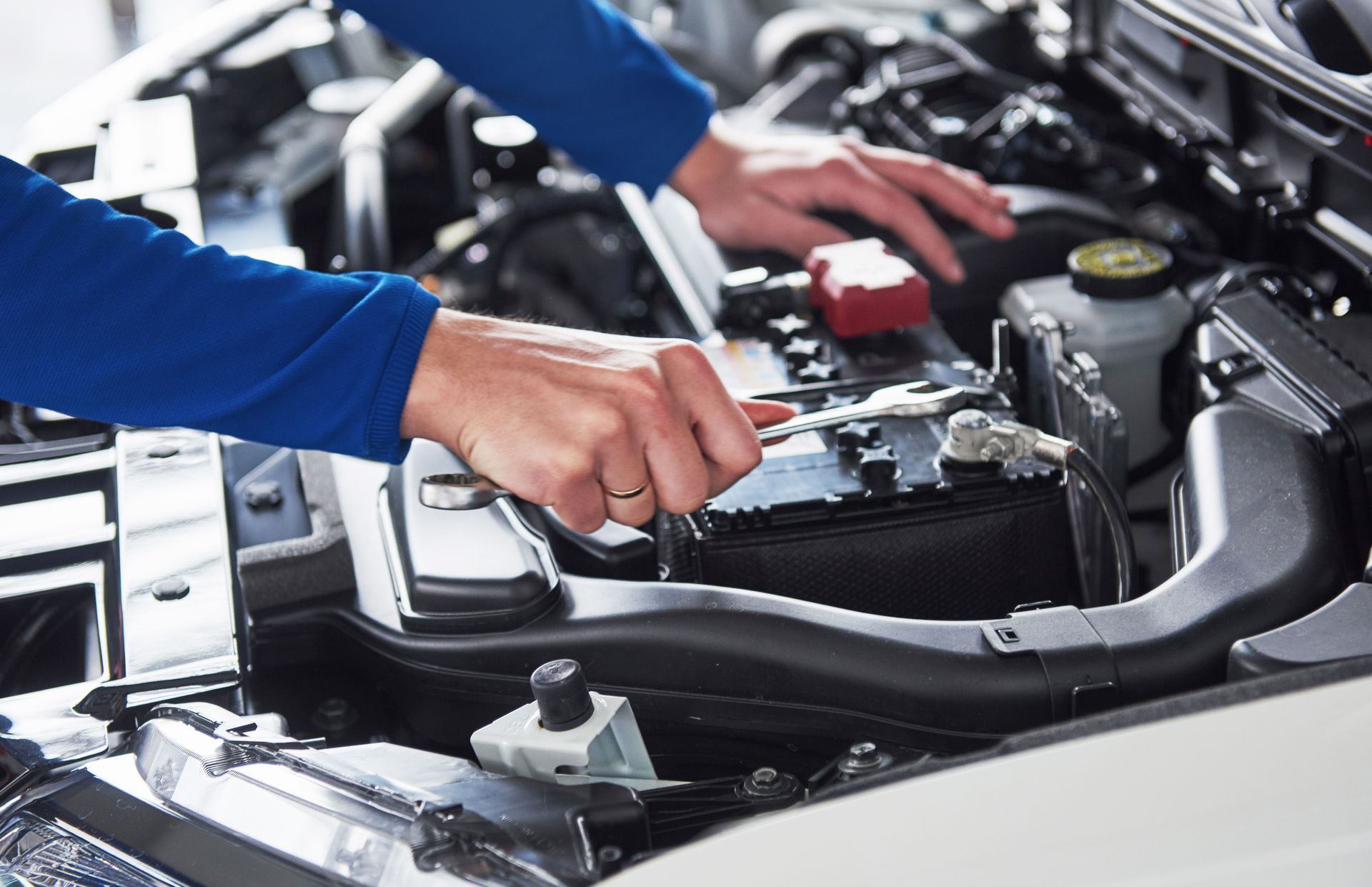
Electrical issues can be unpredictable and frustrating. From difficulty starting your truck to flickering lights or failing dashboard indicators, these problems often point to deeper system issues. Batteries, alternators, and wiring all play a role, and when one fails, it can affect multiple systems.
The challenge with electrical problems is that they rarely stay isolated. A weak battery today can lead to a complete failure tomorrow. And when your truck won’t start, everything comes to a halt.
Staying proactive with electrical maintenance helps you avoid unexpected disruptions. When something seems off, it’s worth investigating right away. Addressing these concerns early can reduce the need for more complex diesel truck repair later on.
Diesel trucks are built to handle demanding workloads, but they still rely on timely maintenance and quick action when problems arise. The warning signs covered here are not just minor inconveniences—they are indicators that your truck needs immediate attention. Ignoring them can lead to longer downtime, higher repair costs, and unnecessary stress.
Being proactive is the best way to protect your investment and keep your operations running smoothly. When something doesn’t feel right, it’s always better to address it sooner rather than later. If you’re noticing any of these warning signs, don’t wait—contact C J Auto & Truck Repair today to get your truck back on the road with confidence.